


TMJ Pain Cervical Care: Unlocking Relief Through Effective Cervical Treatment
Temporomandibular joint (TMJ) pain can be relentless. It affects your jaw, your ability to eat, speak, and even your overall comfort. What many don’t realize is how closely TMJ pain is linked to the health of your cervical spine. I’ve seen firsthand how addressing cervical issues can bring significant relief to TMJ sufferers. In this post, I’ll walk you through the connection between TMJ and cervical care, practical steps to ease your pain, and how you can take control of your symptoms.
Understanding TMJ Pain and Cervical Care
TMJ pain often feels isolated to the jaw, but the truth is, your neck plays a crucial role. The cervical spine supports your head and influences the muscles and nerves around your jaw. When the neck is misaligned or tense, it can cause or worsen TMJ symptoms.
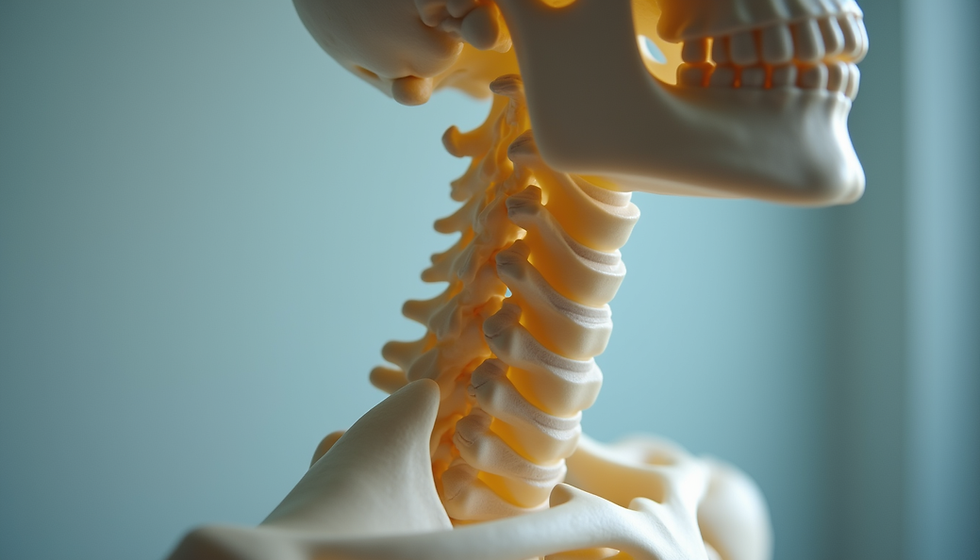
The cervical spine consists of seven vertebrae, and any dysfunction here can lead to muscle tightness, nerve irritation, and referred pain in the jaw area. This is why tmj pain cervical care is essential. By focusing on the neck, you address one of the root causes of TMJ discomfort.
For example, poor posture, especially from looking down at phones or computers, strains the neck. This strain can tighten muscles connected to the jaw, triggering TMJ pain. Correcting cervical alignment reduces this strain and helps muscles relax.
How Cervical Care Supports TMJ Relief
Cervical care involves gentle adjustments, targeted exercises, and lifestyle changes that improve neck function. Here’s how it supports TMJ relief:
Restores proper alignment: Misaligned vertebrae can pinch nerves or cause muscle imbalances. Adjustments help restore natural alignment.
Reduces muscle tension: Tight neck muscles pull on the jaw muscles. Relaxing these muscles eases TMJ pain.
Improves nerve function: Healthy cervical nerves reduce pain signals sent to the jaw.
Enhances blood flow: Better circulation promotes healing in affected areas.
In my practice, I use advanced diagnostics like Cone Beam CT scans and digital neurological assessments to pinpoint cervical issues precisely. This allows for gentle, effective adjustments tailored to each patient’s needs.
If you want to explore more about how cervical care can help, check out this resource on tmj relief with cervical care.
How to Calm a TMJ Flare Up?
TMJ flare ups can be sudden and painful. When you feel one coming on, here are some steps to calm it down:
Apply cold or warm compresses: Cold reduces inflammation, while warmth relaxes tight muscles. Use whichever feels better for you.
Practice gentle jaw stretches: Slowly open and close your mouth, or move your jaw side to side to keep muscles loose.
Avoid hard or chewy foods: Stick to soft foods to reduce jaw strain.
Maintain good posture: Keep your head aligned over your shoulders to reduce neck tension.
Use over-the-counter pain relief: Nonsteroidal anti-inflammatory drugs (NSAIDs) can help reduce pain and swelling.
Try relaxation techniques: Deep breathing or meditation can lower overall muscle tension.
These steps provide immediate relief, but long-term management requires addressing cervical health and muscle balance.

Practical Exercises to Support Cervical Health and TMJ Relief
Incorporating simple exercises into your daily routine can make a big difference. Here are some effective ones:
Chin tucks: Sit or stand tall. Gently pull your chin straight back, creating a “double chin.” Hold for 5 seconds and repeat 10 times. This strengthens deep neck muscles.
Neck rotations: Slowly turn your head to the right, hold for 5 seconds, then to the left. Repeat 10 times. This improves neck mobility.
Shoulder blade squeezes: Pull your shoulder blades together and hold for 5 seconds. Repeat 10 times. This helps correct posture.
Jaw relaxation: Place your tongue on the roof of your mouth and let your jaw hang loose. This reduces jaw muscle tension.
Consistency is key. Doing these exercises daily supports cervical alignment and reduces TMJ pain over time.
Lifestyle Tips to Prevent TMJ and Cervical Issues
Beyond exercises and adjustments, lifestyle changes can protect your neck and jaw:
Monitor your posture: Avoid slouching or leaning forward for long periods.
Limit phone and screen time: Take breaks and hold devices at eye level.
Manage stress: Stress often causes jaw clenching and neck tension.
Sleep with proper support: Use a supportive pillow that keeps your neck aligned.
Stay hydrated and eat balanced meals: Good nutrition supports muscle and joint health.
By adopting these habits, you reduce the risk of TMJ flare ups and cervical strain.
Taking Charge of Your TMJ Pain with Cervical Care
TMJ pain doesn’t have to control your life. By understanding the link between your jaw and neck, you can take meaningful steps toward relief. Cervical care offers a powerful approach to reduce pain, improve function, and enhance your quality of life.
If you’re struggling with TMJ pain, consider a comprehensive evaluation of your cervical spine. With the right care, you can experience lasting relief and regain comfort in your daily activities.
Remember, your health deserves the best. Combining advanced diagnostics, gentle adjustments, and practical self-care creates a path to healing that addresses the root causes of your pain.
Start your journey to relief today and discover how effective cervical care can transform your TMJ experience.


Comments