


Upper Cervical TMJ Care for Treating TMJ Symptoms
Temporomandibular joint (TMJ) disorders can be frustrating and painful. If you experience jaw pain, headaches, or difficulty chewing, you know how much TMJ symptoms can disrupt daily life. I want to share with you how upper cervical TMJ care offers a promising approach to managing and reducing these symptoms. This method focuses on the upper cervical spine, the top two vertebrae in your neck, which play a crucial role in nerve function and jaw alignment.
Understanding the connection between the upper cervical spine and TMJ symptoms can open new doors to relief. Let’s explore how this specialized care works, what you can expect, and practical steps you can take to improve your condition.
What Is Upper Cervical TMJ Care?
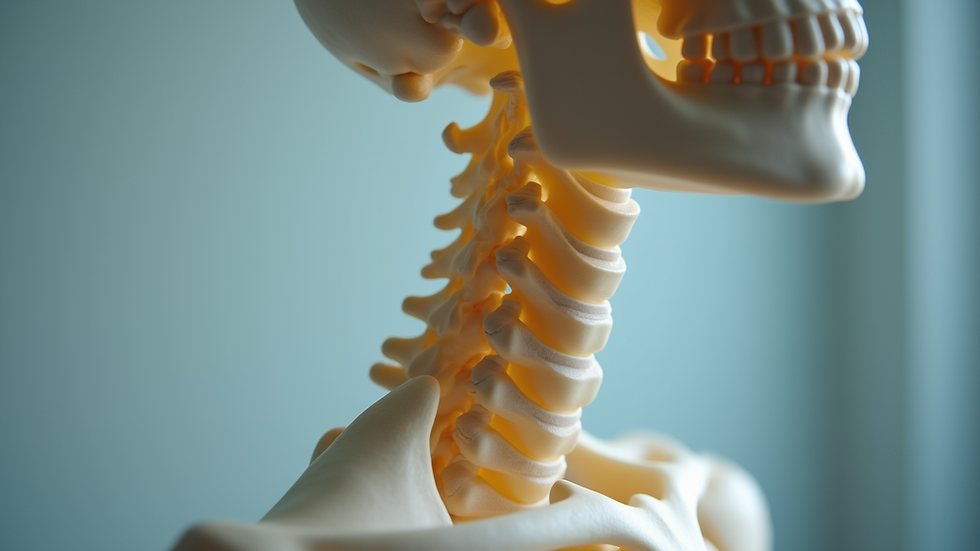
Upper cervical TMJ care is a precise chiropractic approach that targets the alignment of the upper cervical vertebrae, specifically the atlas (C1) and axis (C2). These vertebrae are located just below the skull and have a significant impact on the nervous system. When misaligned, they can cause nerve irritation and muscle tension, which may contribute to TMJ symptoms.
This care involves gentle, targeted adjustments designed to restore proper alignment without forceful manipulation. The goal is to reduce nerve interference and improve the function of the jaw muscles and joints.
Why Focus on the Upper Cervical Spine?
The upper cervical spine is unique because it supports the head and protects the brainstem. It also houses nerves that control jaw movement and facial sensation. Misalignments here can cause:
Jaw pain and clicking
Headaches and migraines
Neck stiffness and tension
Facial muscle spasms
By correcting these misalignments, upper cervical care can relieve pressure on nerves and muscles, helping to ease TMJ symptoms naturally.
How Upper Cervical TMJ Care Works
The process begins with a thorough examination using advanced diagnostic tools. In our clinic, we use state-of-the-art Cone Beam CT scans and digital neurological assessments to get a clear picture of your upper cervical spine’s condition. These tools allow us to detect even the smallest misalignments with precision.
Once the problem area is identified, a gentle adjustment is performed. This adjustment is very specific and does not involve twisting or cracking the neck. Instead, it uses a light touch to guide the vertebrae back into their proper position.
What to Expect During Treatment
Initial Assessment: Detailed imaging and neurological tests.
Personalized Care Plan: Tailored to your specific misalignment and symptoms.
Gentle Adjustments: Performed with precision and care.
Follow-Up Visits: To monitor progress and make any necessary adjustments.
Many patients notice improvements in jaw function and pain reduction after just a few sessions. The adjustments also help improve overall nervous system function, which can reduce headaches and neck pain often associated with TMJ.

How to Treat TMJ During Pregnancy?
Pregnancy can bring unique challenges for those with TMJ symptoms. Hormonal changes often increase joint laxity, which can worsen jaw pain and discomfort. However, treatment options must be safe for both mother and baby.
Upper cervical care is an excellent choice during pregnancy because it is gentle and non-invasive. The adjustments avoid any forceful manipulation, making it safe and effective for pregnant women.
Tips for Managing TMJ During Pregnancy
Maintain Good Posture: Proper neck and head alignment reduce strain on the jaw.
Use Heat or Cold Packs: Apply to the jaw area to ease muscle tension.
Practice Relaxation Techniques: Stress can worsen TMJ symptoms.
Consult a Specialist: Seek upper cervical care from a trained chiropractor experienced in prenatal care.
By combining these strategies with upper cervical adjustments, many pregnant women find significant relief without medication or invasive treatments.
Lifestyle Changes to Support Upper Cervical TMJ Care
While upper cervical care addresses the root cause of TMJ symptoms, lifestyle changes can enhance and maintain your progress. Here are some practical recommendations:
Avoid Chewing Gum: Excessive chewing strains the jaw muscles.
Eat Soft Foods: Reduce jaw stress during flare-ups.
Practice Jaw Exercises: Gentle stretches can improve mobility.
Manage Stress: Use mindfulness or breathing exercises to reduce muscle tension.
Sleep with Proper Support: Use a supportive pillow to keep your neck aligned.
These simple changes complement your upper cervical care and help prevent future TMJ flare-ups.
Why Choose Upper Cervical Care for TMJ?
If you have tried other treatments without lasting relief, upper cervical care offers a fresh perspective. It focuses on the nervous system and spinal alignment, which are often overlooked in traditional TMJ treatments.
This approach is:
Non-invasive: No surgery or medications required.
Precise: Uses advanced imaging for accurate diagnosis.
Gentle: Safe for all ages, including pregnant women.
Holistic: Addresses the root cause, not just symptoms.
By choosing upper cervical care, you invest in a treatment that supports your body’s natural healing process.
For those interested in exploring this option, I recommend learning more about upper cervical care for tmj to understand how it can fit into your health journey.
Taking the Next Step Toward Relief
Living with TMJ symptoms can be exhausting, but relief is possible. Upper cervical TMJ care offers a targeted, effective way to reduce pain and improve jaw function. With the right diagnosis, gentle adjustments, and supportive lifestyle changes, you can regain comfort and enjoy daily activities again.
If you experience jaw pain, headaches, or neck tension, consider scheduling a consultation with a specialist trained in upper cervical care. This approach could be the key to unlocking lasting relief and better quality of life.
Remember, your health deserves the best care available. Upper cervical TMJ care combines the latest technology, expert knowledge, and gentle techniques to help you feel your best every day. Take control of your TMJ symptoms today and discover the difference this specialized care can make.
Thank you for reading. I hope this information empowers you to explore new options for managing TMJ symptoms effectively.


Comments