


Cervical Care for TMJ: Relieving TMJ Pain Through Cervical Care
- James Zuccaro
- Mar 30
- 4 min read
Temporomandibular joint (TMJ) pain can be relentless. It affects your jaw, your ability to eat, speak, and even your overall comfort. What many don’t realize is that the key to easing TMJ pain often lies beyond the jaw itself. The cervical spine, or neck region, plays a crucial role in TMJ health. By focusing on cervical care, you can unlock significant relief and improve your quality of life.
In this post, I’ll share how cervical care can help relieve TMJ pain. I’ll explain the connection between the neck and TMJ, offer practical tips, and guide you through calming TMJ flare-ups. Let’s dive into how you can take control of your pain with targeted cervical care.
Understanding the Link Between TMJ and the Cervical Spine
The TMJ is a complex joint connecting your jawbone to your skull. It works closely with muscles, ligaments, and nerves in your head and neck. When the cervical spine is misaligned or tense, it can cause or worsen TMJ pain. This happens because the nerves and muscles in the neck influence the jaw’s movement and function.
For example, poor posture or neck injuries can strain the cervical spine. This strain often leads to muscle tightness and nerve irritation that radiates to the jaw. Over time, this can cause TMJ dysfunction, leading to pain, clicking, or limited jaw movement.
Addressing the cervical spine’s health is essential. When the neck is properly aligned and relaxed, it reduces stress on the TMJ. This holistic approach targets the root cause rather than just masking symptoms.
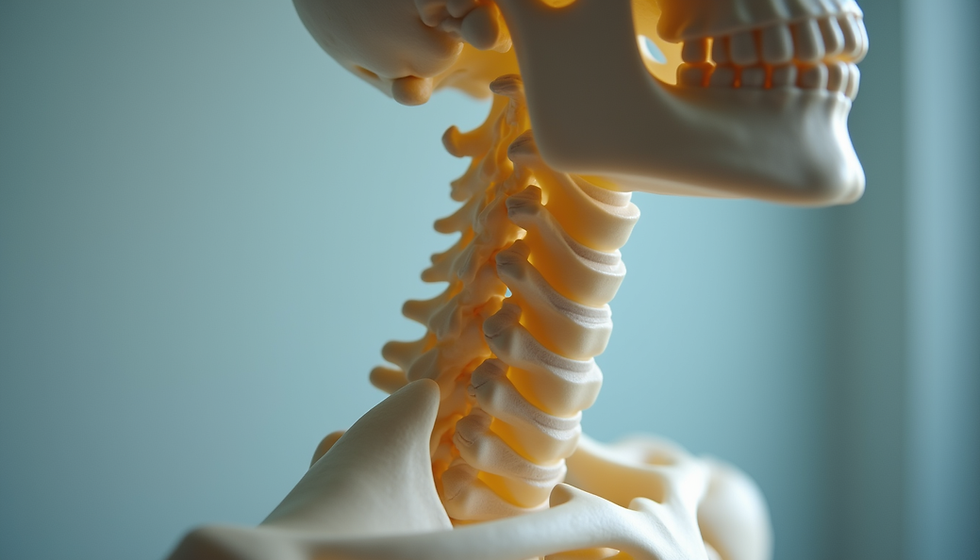
How Cervical Care Supports TMJ Relief
Cervical care involves techniques and therapies that focus on the neck’s structure and function. This includes chiropractic adjustments, physical therapy, posture correction, and exercises designed to improve neck mobility and reduce tension.
Here’s how cervical care supports TMJ relief:
Improves Neck Alignment: Gentle adjustments restore proper vertebrae positioning, reducing nerve irritation that affects the jaw.
Relieves Muscle Tension: Targeted therapies relax tight neck muscles that contribute to TMJ pain.
Enhances Blood Flow: Better circulation in the cervical area promotes healing and reduces inflammation.
Supports Nervous System Health: The cervical spine houses nerves that control jaw muscles. Healthy nerves mean better jaw function.
Encourages Better Posture: Correcting forward head posture reduces strain on both the neck and TMJ.
By focusing on these areas, cervical care offers a natural, effective way to manage TMJ pain. It’s a safe approach that complements other treatments like dental care or medication.
How to Calm a TMJ Flare Up?
TMJ flare-ups can be sudden and painful. When your jaw feels locked, sore, or swollen, it’s important to act quickly to reduce discomfort. Here are practical steps to calm a TMJ flare-up:
Apply Cold or Warm Compresses: Use a cold pack for 10-15 minutes to reduce swelling. Alternatively, a warm compress can relax tight muscles.
Practice Gentle Jaw Exercises: Slowly open and close your mouth or move your jaw side to side to keep it mobile without strain.
Avoid Hard or Chewy Foods: Stick to soft foods like yogurt, soup, or smoothies to minimize jaw movement.
Maintain Good Posture: Keep your head aligned with your spine to reduce neck and jaw tension.
Use Over-the-Counter Pain Relief: Nonsteroidal anti-inflammatory drugs (NSAIDs) can help reduce pain and inflammation.
Limit Jaw Movements: Avoid wide yawning, gum chewing, or clenching your teeth.
Try Relaxation Techniques: Deep breathing or meditation can reduce overall muscle tension and stress.
If flare-ups persist, seek professional cervical care. A specialist can assess your neck and jaw to provide targeted treatment that addresses the underlying cause.

Practical Cervical Care Tips You Can Do at Home
Incorporating cervical care into your daily routine can make a big difference in managing TMJ pain. Here are some simple, effective tips you can start today:
Mind Your Posture: Keep your ears aligned with your shoulders when sitting or standing. Avoid slouching or leaning forward.
Use Ergonomic Supports: Choose chairs with good neck support and adjust your computer screen to eye level.
Perform Neck Stretches: Regularly stretch your neck muscles to maintain flexibility and reduce stiffness.
Stay Hydrated: Proper hydration supports muscle health and reduces cramping.
Sleep Smart: Use a supportive pillow that keeps your neck in a neutral position.
Limit Screen Time: Take breaks from phones and computers to avoid neck strain.
Practice Relaxation: Incorporate stress-reducing activities like yoga or mindfulness to ease muscle tension.
These habits support cervical health and, in turn, help reduce TMJ pain. Consistency is key. Over time, you’ll notice improved comfort and jaw function.
Why Choose Upper Cervical Chiropractic Care for TMJ?
Upper cervical chiropractic care focuses on the top two vertebrae in the neck. These vertebrae are critical because they protect the brainstem and influence the entire nervous system. Misalignments here can cause widespread symptoms, including TMJ pain.
Our clinic in Western New York uses advanced diagnostics like Cone Beam CT scans and digital neurological assessments. These tools allow us to pinpoint misalignments with precision. Our gentle, targeted adjustments restore proper alignment without forceful manipulation.
This approach is ideal for those suffering from neurological conditions such as migraines, dizziness, vertigo, concussion, and TMJ. By addressing the root cause in the cervical spine, we provide lasting relief and support overall wellness.
If you want to explore natural, effective options for TMJ pain, consider tmj relief with cervical care. This method offers a holistic path to healing that respects your body’s complexity.
Taking the Next Step Toward Lasting TMJ Relief
Living with TMJ pain can be frustrating, but relief is within reach. By focusing on cervical care, you address a key factor that often goes overlooked. Whether through professional chiropractic care or simple daily habits, improving your neck health can transform your TMJ experience.
Remember, TMJ pain is not just about the jaw. It’s about the connection between your neck, nerves, and muscles. Prioritize cervical care, stay consistent with your routines, and seek expert guidance when needed.
Your journey to comfort and better function starts with understanding this vital link. Embrace cervical care for TMJ and take control of your pain today.


Comments